INFO (CAS)
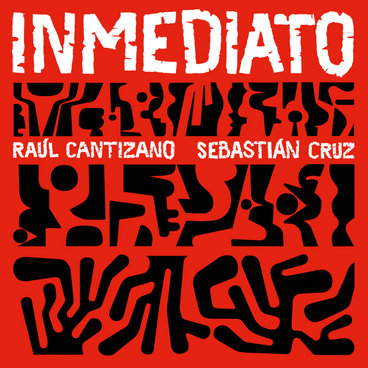
La dialéctica vanguardia-tradición no sirve para entender los procesos creativos del flamenco. Incluso desorienta. Sin embargo, está agarrada al tejido del flamenco moderno como una rémora desesperada. Sin ir más lejos, es incapaz de captar el sentido y función de este mismo disco de Sebastián Cruz y Raúl Cantizano, “Inmediato”. En él no hay lucha entre tradición y vanguardia, no existe un pulso por mantener las esencias llevándolas más allá (sea eso lo que sea). El disco es, sencillamente, la cristalización de la idea de flamenco de unos músicos que a lo largo de los años se han guiado sin miedo ni esnobismo por sus obsesiones musicales, llevándolas al lugar que éstas necesitaran para crecer, fuera el que fuera. Es la idea que ambos, con dos trayectorias profesionales realmente anómalas, han llegado a hacerse del flamenco tras transitar e investigar una vasta diversidad de géneros y estilos. No es una vuelta atrás ni un paso adelante, sino la expresión de su imagen de la historia del flamenco hecha sin presiones, sin pretensiones, luchando nada más (nada menos…) que con las seguiriyas, las soleares, bulerías, verdiales o tarantos; es decir, con los palos que vertebran esa historia, que son el nódulo de trabajo del flamenco.
Sebastián Cruz lleva más de 20 años de carrera en solitario. No es sólo un cantaor de esos formados naturalmente en la familia y las tablas. Sin renegar de lo anterior (se crio en un entorno flamenco y lleva subido a escenarios desde los 12 años), es un cantaor formado tanto por cuenta propia como en formación reglada (Fundación Cristina Heeren). Ha sido profesor de cante, cantaor atrás, adelante y a los lados cuando allí se le requiere. Ha realizado proyectos que van desde un disco de fandangos (2017), en el que interpreta las sutiles diferencias entre 12 diferentes estilos de fandangos de Huelva, hasta su colaboración regular con Frente Abierto, banda que pone las sonoridades del doom metal al servicio del cante, pasando por Zarabanda, su proyecto más cuidado y personal, en el que busca el punto de encuentro entre el barroco musical francés y el flamenco. Ha trabajado en tablaos, escenarios de festivales y peñas, teatros y auditorios, en proyectos de todo corte y pelaje, abarcando una variedad de formas y géneros impensable para la mayor parte de cantaores.
Raúl Cantizano es guitarrista y tocaor. Con una sólida formación en ambos campos (rock y flamenco), podría llevar una carrera musical tanto con la guitarra eléctrica como con la flamenca. Su técnica se lo permite, también su ingente cantidad de horas y amplitud de escuchas. Esa disciplina y apertura le ha llevado a trabajar con la improvisación libre más jazzística (con la orquesta Entenguerengue), con la más emparentada con el sonido Canterbury y el rock in opposition (con Hidden Forces), o con la impro libre flamenca (en un seminal proyecto junto a Marco Serrato y Tomás de Perrate, Tiento Madera). También con la electrónica y el videoarte (con Los Voluble), el pop (con Seward), la vanguardia clásica (con Llorenç Barber), el metal (forma parte de la banda Frente Abierto) y también, sin que figure en segundo plano, el flamenco de tablao y el flamenco de última generación (con Niño de Elche, Rocío Márquez, María Moreno, Andrés Marín y muchos otros). Su trabajo en solitario lo componen dos discos que pueden jugar en el entorno en el que aparecen nombres como Fred Frith, Henry Kaiser o Bill Frisell, discos que, aunque no tienen necesidad de apelar al flamenco para ser valorados, sin embargo, lo apelan.
No hay dialéctica: Cruz y Cantizano no tratan de superar nada, ni de ‘preservarlo destruyéndolo para reificarlo en un nivel superior’ (la dichosa Aufhebung, que tan funestamente se aplica al trabajo musical). No practican una política de tierra quemada. Ni “Zarabanda”, de Cruz, ni “Zona acordonada”, de Cantizano, les impiden volver la vista hacia una bulería camaroniana o unas rumbas. Muy al contrario, estos trabajos más experimentales se ven auspiciados por esa labor preciosista del tablao de volver una y otra noche sobre la misma docena de palos flamencos tratando de encontrar el lugar adecuado para nuevos matices, nuevos detalles que muestren su vigencia y vitalidad. Por otra parte, estos trabajos trastocan la visión de los palos, les dan una nueva perspectiva.
En todo músico alejado de esa mezcla de miedo y esnobismo que encarna la dialéctica tradición-vanguardia, el trabajo es una toma de posición sobre la historia de su disciplina. Cruz y Cantizano sintetizan en este trabajo, sin subterfugios ni medias tintas, sin presión ni expectativa, su visión de la historia del flamenco. Muestran lo que es el flamenco cuando se ha roturado concienzudamente hasta convertirlo en un material con el que fabricar preguntas y esperar respuestas. En él se escuchan sus obsesiones, sus búsquedas. Es un manifiesto de sus posiciones.
Carlos García Simón
INFO (ENG)
The avant-garde versus tradition debate does nothing to help us understand creative processes in flamenco. It even serves to confuse matters. Yet it clings to the fabric of modern flamenco like a desperate leech. Without going any further, it is incapable of grasping the meaning and function of this very album by Sebastián Cruz and Raúl Cantizano, “Inmediato”. In it, there is no struggle between tradition and the avant-garde; there is no tug-of-war to preserve the essence whilst taking it further (whatever that may be). The album is, quite simply, the crystallisation of the idea of flamenco held by musicians who, over the years, have been guided by their musical obsessions without fear or snobbery, taking them to wherever they needed to go to grow, wherever that might be. It is the vision of flamenco that both of them, with truly unconventional career paths, have come to hold after exploring and delving into a vast array of genres and styles. It is neither a step backwards nor a step forwards, but rather the expression of their view of the history of flamenco, created without pressure or pretension, grappling with nothing more (and nothing less…) than the seguiriyas, soleares, bulerías, verdiales and tarantos; that is to say, with the palos that form the backbone of that history, which are the very essence of flamenco.
Sebastián Cruz has been pursuing a solo career for over 20 years. He is not merely one of those singers who have been naturally trained within their family and through stage experience. Whilst he does not deny this background (he grew up in a flamenco environment and has been performing on stage since the age of 12), he is a singer who has trained both independently and through formal education (at the Cristina Heeren Foundation). He has taught flamenco singing and performed as a backing singer, lead singer and in various roles wherever required. He has undertaken projects ranging from a fandango album (2017), in which he interprets the subtle differences between 12 distinct styles of Huelva fandangos, to his regular collaboration with Frente Abierto, a band that channels the sounds of doom metal into flamenco singing, and Zarabanda, his most carefully crafted and personal project, in which he seeks the meeting point between French Baroque music and flamenco. He has performed in tablaos, on festival stages and in peñas, theatres and auditoriums, in projects of all shapes and sizes, covering a variety of forms and genres unthinkable for most flamenco singers.
Raúl Cantizano is a guitarist. With a solid grounding in both rock and flamenco, he could pursue a musical career playing either the electric guitar or the flamenco guitar. His technique allows him to do so, as do the countless hours he has devoted to his craft and the breadth of his musical influences. This discipline and openness have led him to work with free improvisation of a more jazz-oriented nature (with the Entenguerengue orchestra), with styles more closely related to the Canterbury sound and rock in opposition (with Hidden Forces), or with free flamenco improvisation (in a seminal project alongside Marco Serrato and Tomás de Perrate, Tiento Madera). He has also worked with electronic music and video art (with Los Voluble), pop (with Seward), classical avant-garde (with Llorenç Barber), metal (he is a member of the band Frente Abierto) and also, by no means taking a back seat, tablao flamenco and cutting-edge flamenco (with Niño de Elche, Rocío Márquez, María Moreno, Andrés Marín and many others). His solo work consists of two albums that sit comfortably alongside the likes of Fred Frith, Henry Kaiser and Bill Frisell; albums which, although they need not rely on flamenco to be appreciated, nevertheless do so.
There is no dialectic: Cruz and Cantizano are not trying to overcome anything, nor to “preserve it by destroying it in order to reify it at a higher level” (that infamous Aufhebung, which is so disastrously applied to musical work). They do not practise a scorched-earth policy. Neither Cruz’s “Zarabanda” nor Cantizano’s “Zona acordonada” albums prevent them from turning their attention to a Camarón-style bulería or some rumbas. Quite the contrary, these more experimental works are inspired by that painstaking craft of the tablao, returning night after night to the same dozen flamenco palos in an attempt to find the right space for new nuances, new details that demonstrate their relevance and vitality. Furthermore, these works subvert the conventional view of the palos, offering a fresh perspective.
For any musician free from that mixture of fear and snobbery embodied by the tradition/avant-garde dialectic, their work is a position statement on the history of their discipline. In this album, Cruz and Cantizano distil, without subterfuge or half-measures, without pressure or expectation, their vision of the history of flamenco. They reveal what flamenco is when it has been thoroughly deconstructed until it becomes a material with which to formulate questions and await answers. In it, one hears their obsessions, their quests. It is a manifesto of their positions.
Carlos García Simón